What to See in Kikinda

Kika Mammoth

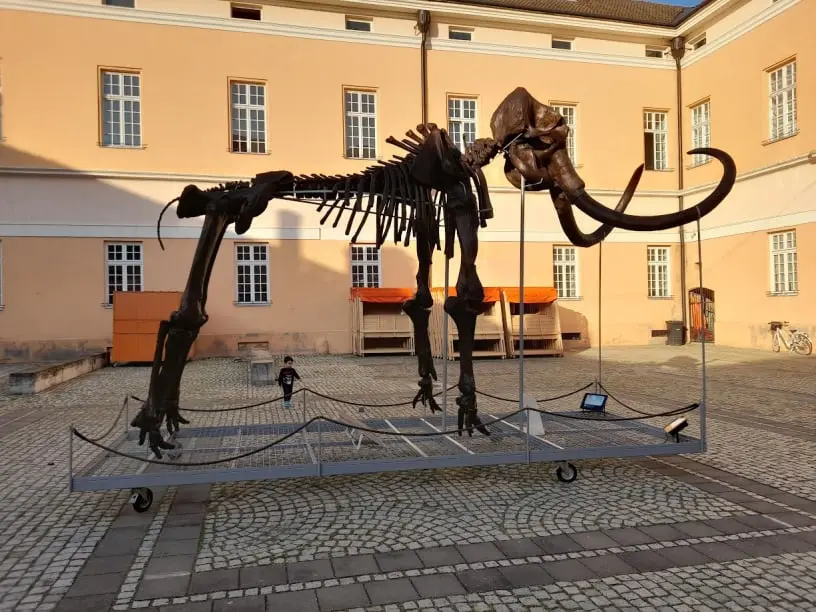
Mammoth Kika is one of Serbia's biggest paleontological finds and a true symbol of Kikinda.

Her skeleton was dug up in 1996 at the Toza Marković factory's clay pit, about 20 meters down. It's a nearly complete steppe mammoth (Mammuthus trogontherii) with around 90% of the bones intact, making it one of Europe's best-preserved specimens.

Science says Kika lived roughly 500,000 years ago in what's now northern Serbia. She was likely a female, about 60 years old when she died, and the sediment where she perished preserved her bones perfectly.

Today, the original skeleton's on display at the National Museum in Kikinda, open to visitors year-round. Out in the museum courtyard, there's a life-sized replica that really gives you a sense of just how massive this prehistoric beast was. She's become a key part of the city's cultural and tourist vibe.
Mamut_Kika

Pumpkin Days

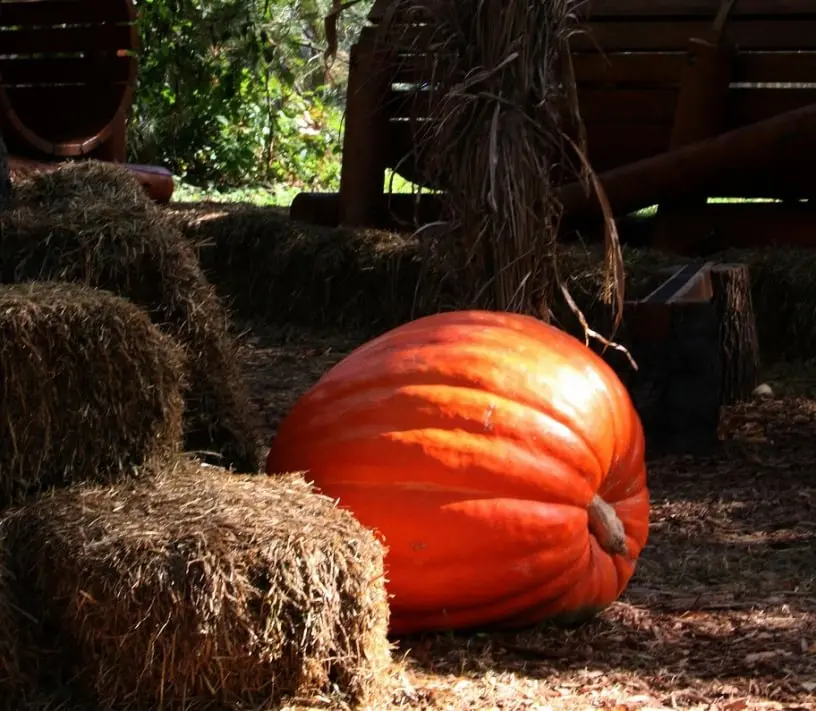
The Pumpkin Days (or "Dani Ludaje") are Kikinda's most famous tourist event and one of the biggest pumpkin festivals in the region. It happens every year at the start of fall, drawing crowds from Serbia and abroad.

It kicked off in 1986 to spotlight Kikinda as a major pumpkin-growing hub in northern Banat. Over a few days, the city center turns into a hub for cultural shows, fun activities, and foodie delights.

The highlight? The competition for the heaviest pumpkin and the longest squash—always a big crowd-pleaser. There's also exhibits, concerts, kids' workshops, street performances, and tons of traditional eats.

With its long history and huge fanbase, Pumpkin Days have become a core part of Kikinda's cultural identity, pulling in tens of thousands every fall.
Dani_ludaje

Terra Museum

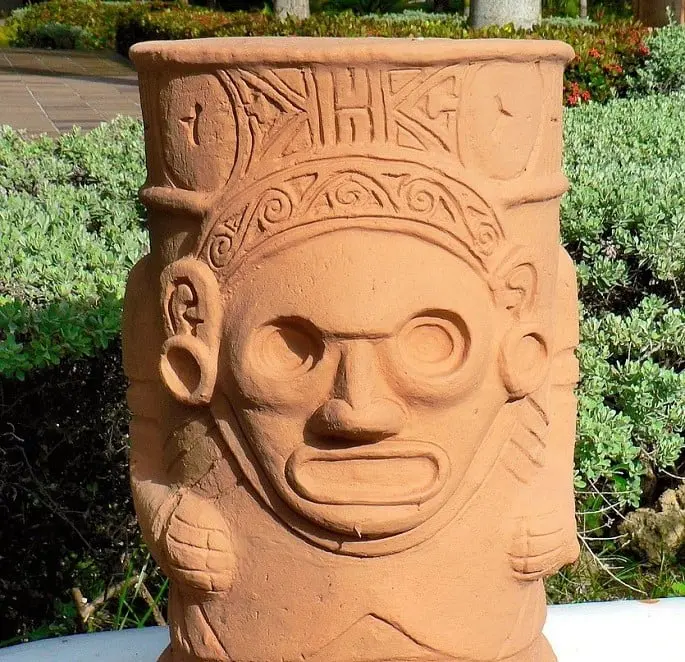
The Terra Museum is a one-of-a-kind spot dedicated to contemporary terracotta sculptures and one of Kikinda's top modern art destinations.

It opened in 2017, born from decades of the International Terra Sculpture Symposium, which has been running in Kikinda since 1982.

The collection features a huge array of massive terracotta sculptures created over the years by artists from around the world.

They're made from special local clay from the Kikinda area and fired in the big industrial kilns of the old Toza Marković factory, allowing for some seriously oversized pieces.

Housed in a revamped industrial building from the former brick and tile factory, it has this cool, unique vibe.

Today, it's a key cultural hub in the city where visitors can dive into modern sculpture and the centuries-old tradition of clay work that's defined Kikinda.
Muzej_Terra

General Drapšin Street

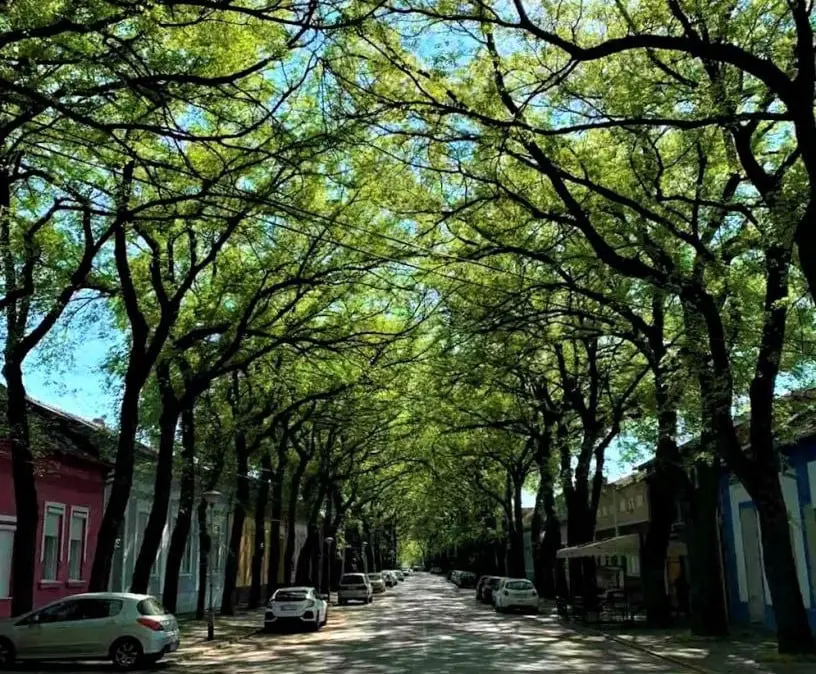
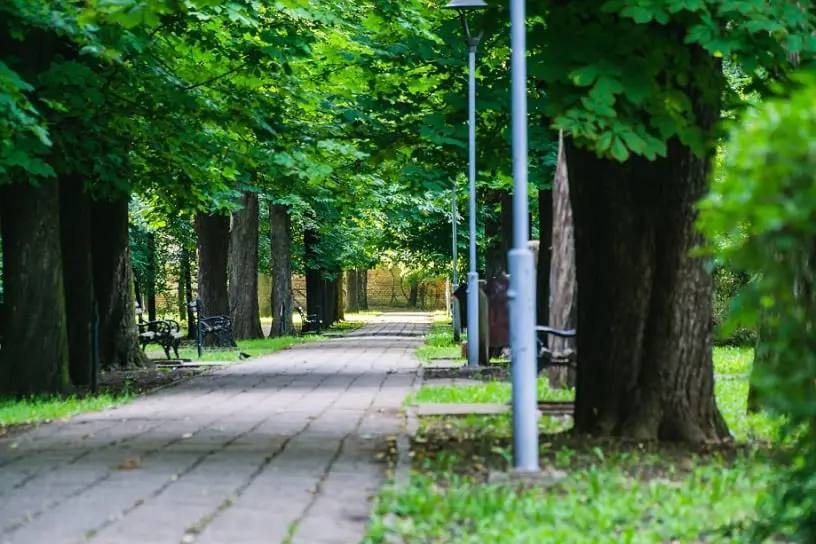
General Drapšin Street is one of Kikinda's most iconic spots, famous for its stunning tree-lined avenue that creates a natural "green tunnel." Stretching about two kilometers through the city center, its standout feature is the massive number of trees arching over the road and sidewalks.

The avenue was planted after World War II and now boasts around 389 trees. Most are American linden trees, with some lindens, maples, and a few mulberries mixed in. In the warm months, the dense canopy provides great shade, making it a comfy stroll even on hot summer days.

This unique green tunnel has even caught global attention—Architecture & Design, a top site for architecture and design, ranked it 22nd on their list of the world's 50 most beautiful streets.

Today, it's one of Serbia's prettiest green promenades and a must-visit for Kikinda tourists, especially in spring and fall when the trees create that striking natural vibe right in the heart of town.
Ulica_Generala_Drapsina

Kikinda Owls

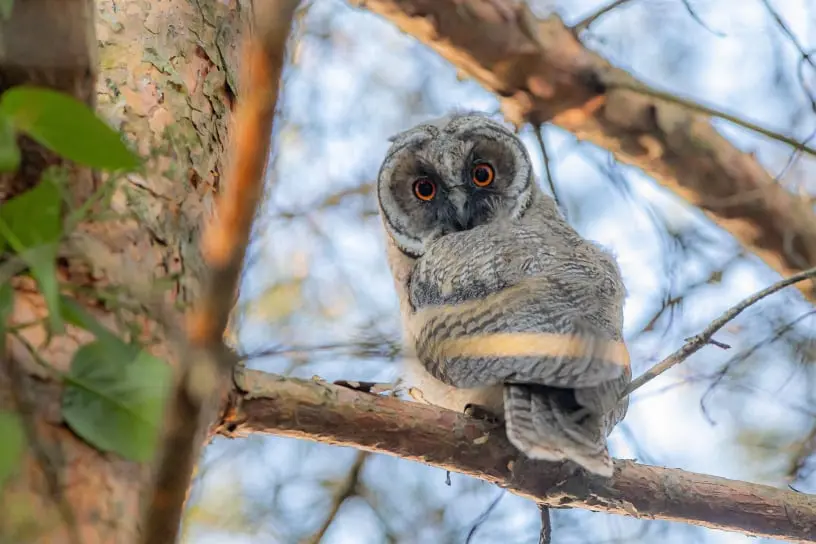
Kikinda's owls are a unique natural phenomenon that's made the town famous across Europe. Every winter from November to February, a huge colony of little owls (Asio otus) gathers right in the city center.

These owls use the urban trees as their winter hangout spot, and some years they've numbered in the hundreds, putting Kikinda among the world's largest city-based owl wintering sites for this species.

You'll spot them chilling in the treetops along central streets during the day, resting up. At night, they head out to nearby fields hunting small rodents for dinner.

Thanks to this quirky spectacle, Kikinda's become a prime birdwatching spot, with local groups running educational programs and events to protect the owls and keep their winter home safe.
Sova_utina

Staro jezero (Old Lake)

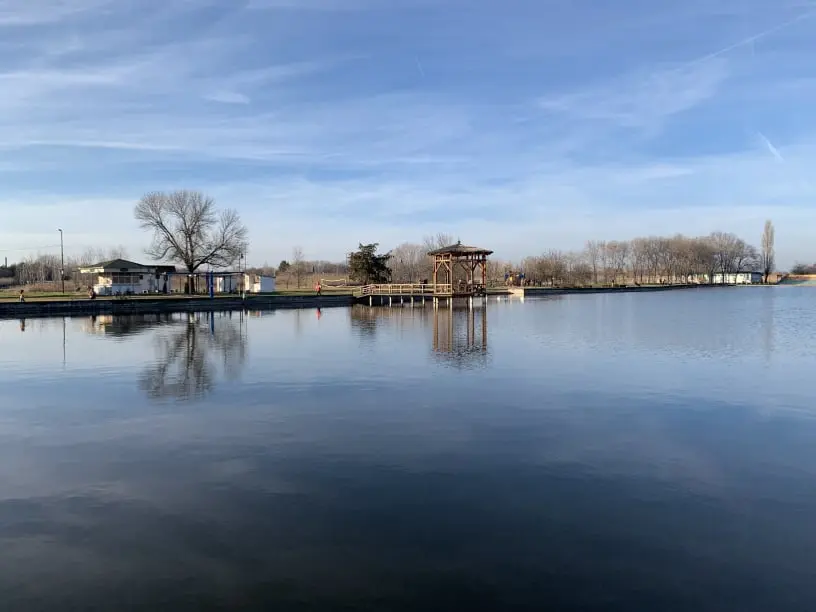
Staro Jezero is one of Kikinda's most famous green escapes and a go-to spot for chilling out, walking, and getting some exercise.

It's right near the city center, set up like a park with walking paths, rest areas, and sports facilities.

Surrounded by trees and greenery, the lake offers a relaxing nature vibe year-round.
In the warmer months, it gets super popular as locals and visitors hit the paved paths for strolls, jogs, or bike rides.

The area around the lake is perfect for all sorts of sports and outdoor fun, and its peaceful setting makes it one of the city's best spots to unwind.
Staro_jezero

Old Horse Mill

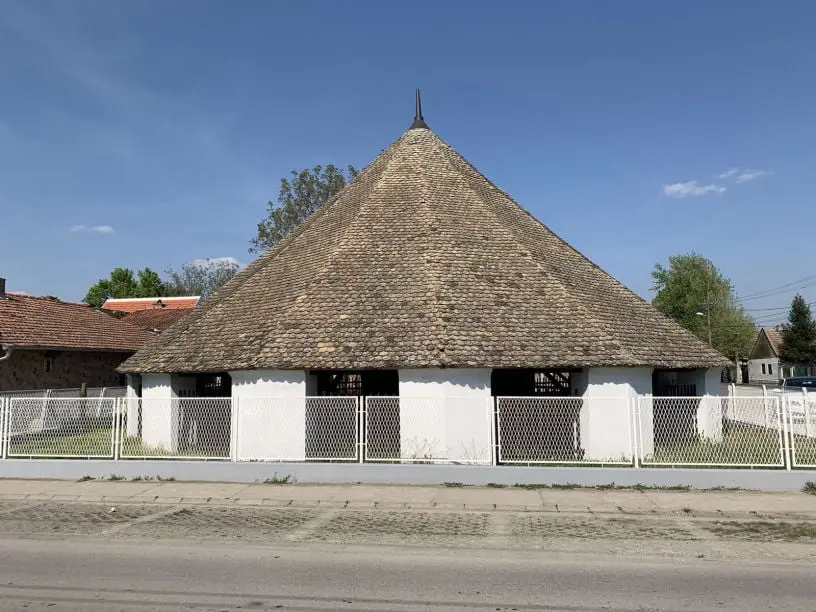
Kikinda's Old Horse Mill is a unique example of a traditional horse-powered grain mill and one of the few surviving ones like it in Europe.

Built at the end of the 19th century, it ground grains using a massive wooden mechanism turned by horses walking in circles.

This setup was typical for flat plains areas without enough streams for watermills.
Today, it's a protected cultural monument and part of the National Museum complex in Kikinda.

Visitors can check out the original mill mechanism and learn about how it worked and its role in old Banat life.

It's a great showcase of the region's technical and cultural heritage.
Stara_suvaca

Curia Museum

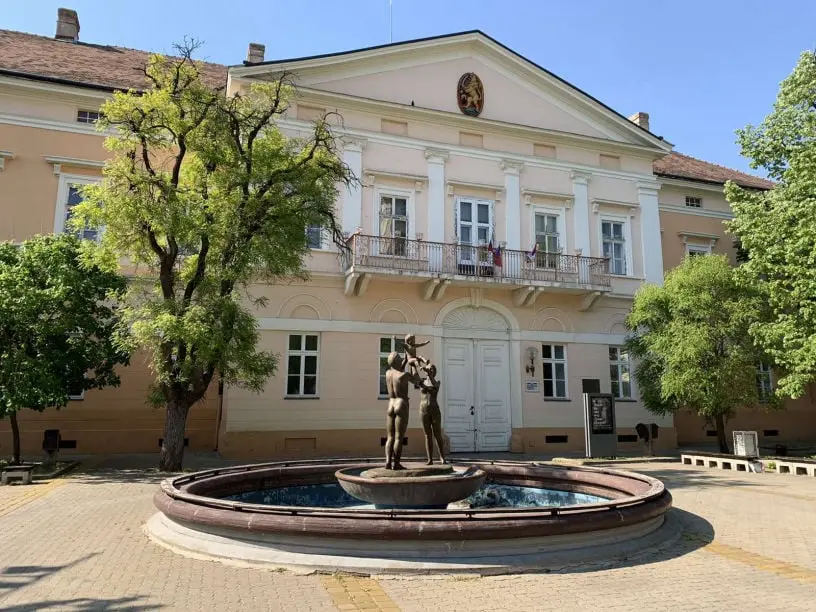
The building known as Kurija is one of Kikinda's oldest and most important historical landmarks.

Built at the end of the 18th century, it served as the administrative headquarters for the privileged Velika Kikinda District—a special territory under Habsburg rule with its own perks in governance and economics.

The structure rocks classic Baroque style and stands out as a prime example of that era's architecture in the Banat region.

Today, it houses the National Museum of Kikinda, packed with rich archaeological, historical, and ethnographic collections that trace the area's development and daily life through the ages.

One of the star exhibits is the skeleton of mammoth Kika we mentioned earlier - one of Serbia's top paleontological finds.
Muzej_Kurija

Blandaš Park

Park Blandaš is one of Kikinda's oldest and prettiest parks.

This well-kept urban green space is known for its tons of trees, lush lawns, and paths perfect for a relaxing walk or just hanging out in nature.

Its prime location makes it a big part of daily city life.

People gather here year-round, and it occasionally hosts cultural and social events too.

With its calm vibe and heaps of greenery, it's one of the top spots in Kikinda for chilling, working out, or catching up with friends.
Park_Blandas